

Joseph Roetheli, PhD
Highlights:
Great Pyrenees typically live 10 to 12 years, which is relatively long for a giant breed.
Joint issues, heart conditions, bloat, and obesity are key health concerns that can influence lifespan.
Healthy habits plus Longevity15’s C15:0 support can help Great Pyrenees stay mobile, comfortable, and vibrant as they age.
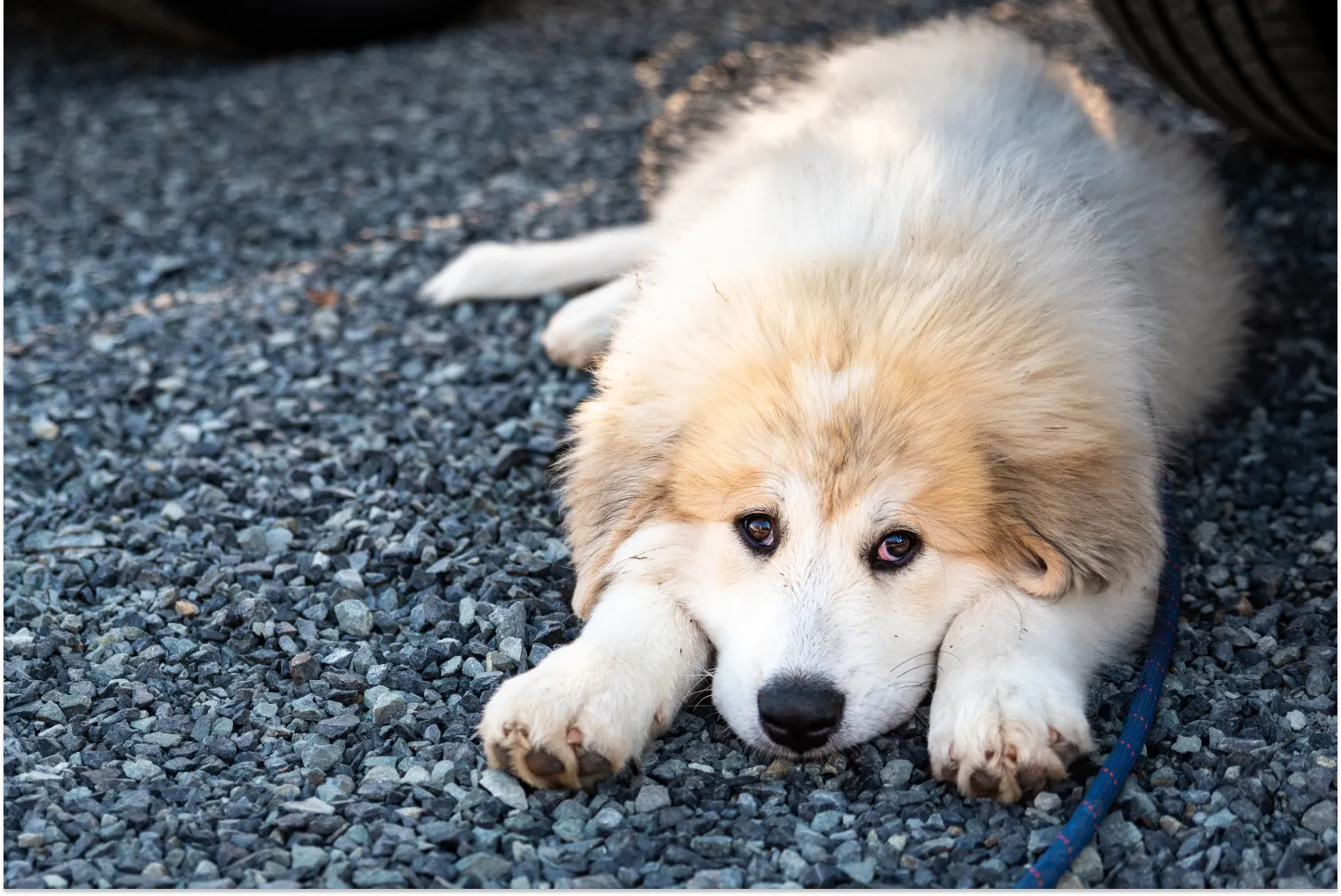
The Great Pyrenees is one of those breeds that immediately commands attention. A massive, cloud-like guardian with the temperament of a gentle philosopher, these dogs are steady, loyal, watchful, and wonderfully affectionate with their people. Because they’re also a giant breed, their lifespans aren’t as long as their miniature and medium-breed canine cousins.
Here’s everything you need to know about the Great Pyrenees lifespan, aging stages, common health concerns, and the smart, proactive steps you can take to support their longevity, including how Longevity15 can make a difference.
Most Great Pyrenees live between 10 and 12 years. That’s a fairly solid lifespan for a giant breed, many of whom average closer to eight and 10 years. Their longevity tends to be influenced by genetics, early preventive care, daily habits, and appropriate support as they age.
While some Great Pyrenees do live well into their teens, it’s important to remember that giant breeds age faster overall. Their bodies do a lot of work carrying that impressive size, so supporting joint health, mobility, heart function, and cellular health can make a meaningful difference in both quality and length of life.
Every breed moves through life stages a little differently. For Great Pyrenees, size plays a huge role in how quickly they mature and how early they enter their senior years.
This is a slow-and-steady development period. Even though they grow fast physically, they’re late bloomers mentally.
Great Pyrenees puppies often remain adorably “puppy-brained” well past their first birthday. Growth plates also take longer to fully close, so keeping exercise controlled and preventing hard impacts is essential.
By age two, most Great Pyrenees reach full maturity. This is when they’re strong, confident, and at peak working ability if they’re guarding or performing tasks. Their metabolism is more stable, and their personality is fully formed. Your dog will be calm, observant, loving, and occasionally stubborn.
As giant dogs, Great Pyrenees become seniors around seven years old. You may notice reduced energy, more napping, stiffness after activity, or changes in endurance. Weight control, joint support, and routine vet visits become increasingly important. With attentive care, many seniors stay active and engaged well into their golden years.
Great Pyrenees are hearty dogs, but like all purebreds (and especially giant breeds), they’re prone to a handful of health conditions. Understanding these can help you spot symptoms early and support your dog’s long-term wellness.
Because of their size, Great Pyrenees are predisposed to hip dysplasia, elbow dysplasia, arthritis, and general joint degeneration. Even if a dog is well-bred and well-exercised, decades of bearing over 100 pounds take a toll on the body. Mobility support, weight management, and early intervention make a huge difference.
As a deep-chested breed, the Great Pyrenees is at higher risk for bloat, which is a serious, rapid-onset emergency that occurs when the stomach fills with gas and twists. Preventive strategies include avoiding exercise right after eating, using slow-feeders, and discussing a prophylactic gastropexy with your veterinarian.
Some Great Pyrenees develop heart-related issues such as dilated cardiomyopathy. Because these conditions often progress quietly, senior screening exams and regular checkups are essential.
Unfortunately, giant breeds have a higher incidence of osteosarcoma, an aggressive bone cancer. While not every dog will develop this, early detection helps guide treatment options.
Their double coat is beautiful but can lead to hotspots, dermatitis, and matting if not groomed consistently. Well-maintained skin and coat health help keep discomfort and infection at bay.
With their mellow personalities, Great Pyrenees can gain weight quickly if meals and movement aren’t monitored. Excess weight significantly worsens joint and heart conditions, so keeping them at a healthy size is one of the simplest longevity boosts.
Your dog’s lifespan isn’t solely impacted by genetics. Rather, it’s a combination of care, environment, lifestyle, and preventive support. For the Great Pyrenees, some of the biggest influences include the following.
A well-bred Great Pyrenees with health-tested parents generally has a better chance at a long, healthy life. Look for breeders who screen for hip issues, heart conditions, and other breed-specific risks.
A balanced diet rich in whole ingredients, healthy fats, and appropriate calories supports energy, organ function, and cellular health. Because giant breeds are more prone to inflammation and oxidative stress, high-quality nutrition becomes even more important as they age.
The Great Pyrenees isn’t an intense athlete, but they do need consistent movement. Daily walks, gentle hikes, and plenty of time to roam (securely) help maintain strong muscles and a healthy weight. Too much high-impact activity, however, can strain joints.
Routine screenings help catch issues early, especially heart conditions, joint degeneration, and cancer. Senior dogs benefit from twice-yearly checkups to stay ahead of age-related changes.
Stress, boredom, or lack of stimulation can affect immune and metabolic health. Because Great Pyrenees are independent yet sensitive dogs, a calm, predictable environment helps them thrive.
Owners can make a powerful difference in their dog’s lifespan by building healthy habits early and staying proactive as they age.
Giant breeds like the Great Pyrenees experience more rapid cellular aging and heavier strain on joints, heart tissue, and mitochondria simply because of their size. Longevity15 is specifically formulated to support cellular health, mobility, and overall vitality, the exact areas that are so important for large, slow-maturing, fast-aging dogs.
Longevity15 delivers a pure, science-backed form of C15:0, a beneficial saturated fatty acid shown to support:
The most common causes of death for Great Pyrenees include cancer, particularly osteosarcoma (bone cancer), and heart conditions that may go undiagnosed without routine care.
Great Pyrenees are typically considered seniors around six to seven years old, although this can vary depending on the individual dog’s health and genetics. The larger the dog, the faster they generally age.
A major factor that contributes to lifespan length boils down to genetics. Lines bred for health and longevity live longer than those from lines with hereditary diseases (hip dysplasia, subaortic stenosis).
The Great Pyrenees is a majestic, gentle companion who brings calm and comfort to every home. While giant breeds do age faster than smaller dogs, thoughtful care, a preventive mindset, and the right nutritional support can make a remarkable difference in how well and how long they live.
With consistent habits, smart monitoring, and daily support from Longevity15, you can help your Great Pyrenees stay strong, comfortable, and full of that signature guardian serenity for years to come.
Sources:
Great Pyrenees Dog Breed Health and Care | PetMD
Great Pyrenees Facts: About the Dog Breed | Great Pyrenees Rescue Society.org



Updates, coupons, deals, and more!
Type anything...
We use cookies to provide you the best possible experience on our website. You consent to the usage of cookies by continuing to view our website. See our Privacy Notice for more information.